


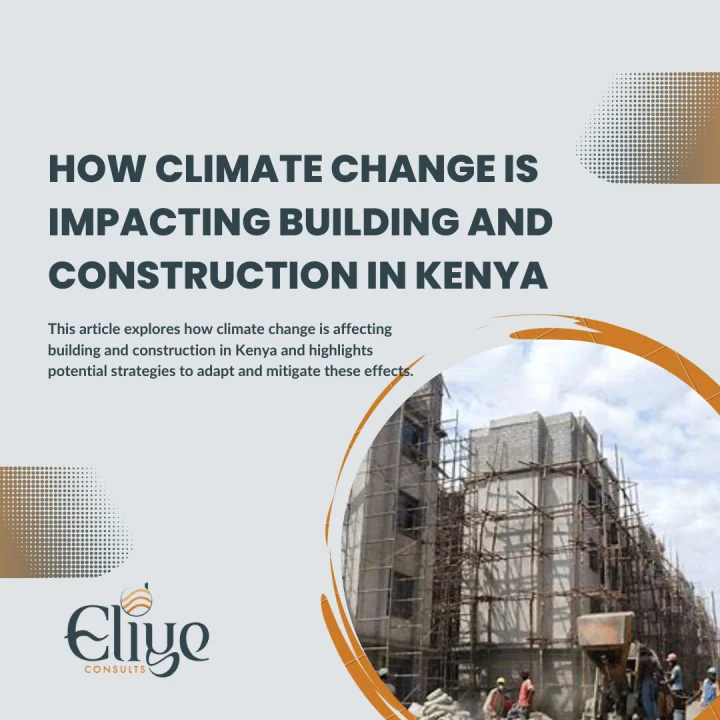
How Climate Change is Impacting Building and Construction in Kenya
Climate change is one of the most pressing global challenges of our time, and its effects are being felt across various sectors, including building and construction. In Kenya, a country characterized by diverse climatic conditions, the impact of climate change on the built environment is becoming increasingly evident. Rising temperatures, extreme weather events, changing precipitation patterns, and sea-level rise are all contributing to significant challenges in the construction industry. This article explores how climate change is affecting building and construction in Kenya and highlights potential strategies to adapt and mitigate these effects.
Increased Demand for Climate-Resilient Infrastructure
As climate change intensifies, extreme weather events such as heavy rainfall, floods, and storms become more frequent and severe. These events pose a significant threat to conventional building designs and infrastructure. Consequently, there is a growing demand for climate-resilient construction that can withstand extreme weather conditions. Building materials, design, and construction techniques need to be adapted to ensure the durability and safety of structures in the face of changing climatic conditions.
Impact on Building Materials
The construction industry relies heavily on natural resources like sand, gravel, and timber. However, climate change can disrupt the availability and quality of these materials. For instance, prolonged droughts can lead to water scarcity, affecting the extraction of raw materials like sand. Additionally, extreme weather events can damage forests, reducing the availability of timber. Consequently, the rising costs and scarcity of building materials can significantly impact the construction industry and may necessitate the adoption of more sustainable and eco-friendly alternatives.
Energy Efficiency and Green Building Practices
As temperatures rise, the demand for cooling systems in buildings also increases. This leads to higher energy consumption and a subsequent increase in greenhouse gas emissions. To combat this, there is a growing need for energy-efficient building designs and green building practices in Kenya. Emphasizing passive cooling techniques, the use of renewable energy sources, and better insulation can help reduce the environmental impact of buildings while making them more resilient to changing weather patterns.
Coastal Vulnerability and Infrastructure
Kenya’s coastline and coastal cities, like Mombasa, are particularly vulnerable to the impacts of climate change, such as rising sea levels and storm surges. Coastal infrastructure, including roads, bridges, and buildings, is at risk of erosion and damage due to increased coastal flooding and sea-level rise. As a response, coastal construction projects need to take into account rising sea levels and the potential for extreme weather events when designing and building infrastructure.
Water Management Challenges
Climate change also affects water availability and management in Kenya. The country experiences both periods of drought and heavy rainfall, leading to water scarcity and flooding, respectively. Sustainable water management strategies, such as rainwater harvesting, water recycling, and efficient water use in construction practices, are essential to cope with these challenges. Moreover, incorporating flood-resistant designs in buildings and infrastructure is crucial to minimize the impact of water-related disasters.
Climate change is exerting significant pressure on the building and construction sector in Kenya. The increasing frequency and severity of extreme weather events, coupled with the potential scarcity of building materials, underscore the urgency of adopting climate-resilient and sustainable construction practices. Emphasizing green building techniques, energy efficiency, and the use of climate-resilient materials can help mitigate the impacts of climate change on the built environment. Collaborative efforts between the government, private sector, and communities are essential to ensure a resilient and sustainable future for Kenya’s construction industry amid the challenges of climate change.